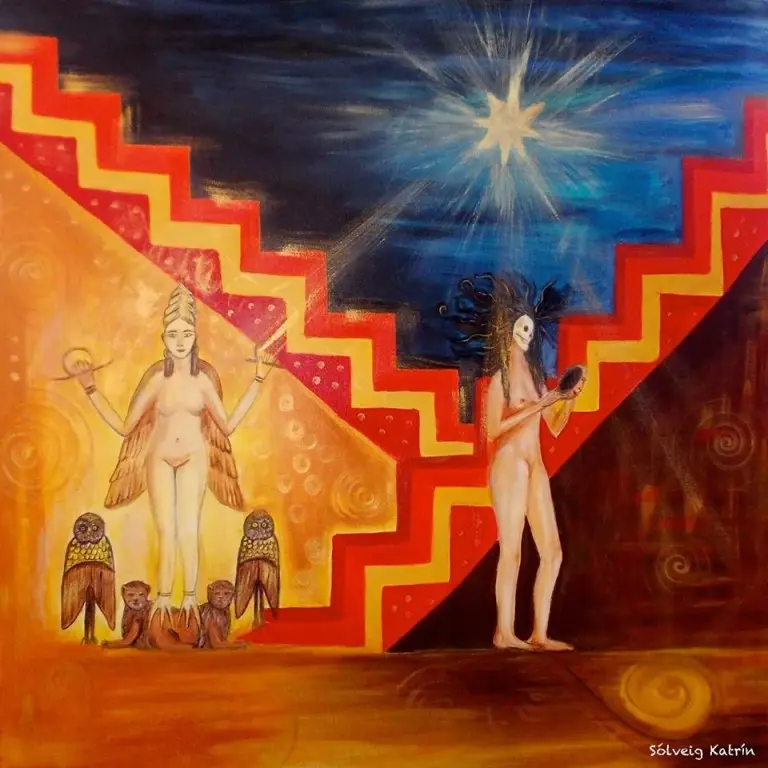
The Descent Into Solar Glare
Each evening, Venus retrograde has been sinking lower and lower toward the horizon after sunset. Any day now, she slips into the glare of the setting Sun and disappears from the sky. This celestial event marks the final phase of the Venus cycle, where the planet transitions from an evening star to being lost in solar brilliance before reemerging as a morning star in late October.
Star picks
 Weekly Horoscope: October 18-October 24
 Why Should AI Study Astrology? A Test of Reasoning on the Road to AGI
 What Happens When Pluto Transits More Than One Planet
 Understanding the Influence of Bhakoot Dosha on Vedic Marriage Compatibility
As Venus moves retrograde, its apparent motion slows and reverses relative to Earth, causing it to appear lower each night in the western sky after sunset. Astronomers note that this phase occurs roughly every 19 months as part of Venus’s 584-day synodic cycle. The planet’s proximity to the Sun increases, making it harder to observe against the bright twilight. This period is often called the underworldphase in astronomical and mythological traditions, symbolizing a temporary disappearance before rebirth.
What Happens When Venus Vanishes From View?
When Venus enters the Sun’s glare, it reaches inferior conjunction — a point where it lies between Earth and the Sun. During this time, the planet is not visible due to the overwhelming brightness of the Sun. Observers may still detect it with specialized equipment under ideal conditions, but naked-eye viewing becomes impossible. This invisible phase lasts several weeks, depending on the geometry of the orbits. Historically, cultures interpreted this disappearance as a journey into the underworld, reflecting Venus’s association with goddesses of love and war who undergo trials before returning.
Why does Venus disappear after sunset? Venus disappears because it moves between Earth and the Sun during inferior conjunction, placing it in the Sun’s bright glare where it cannot be seen without aid.
Frequently Asked Questions
How long will Venus remain invisible? Venus will be lost in the Sun’s glare for approximately two to three weeks, reappearing as a morning star in the eastern sky before sunrise by late October.
Is this Venus retrograde event rare? No, Venus retrograde occurs roughly every 19 months, but each cycle offers a unique viewing opportunity based on the planet’s position relative to Earth and the Sun.