While not universally accepted in scientific circles
In October 2026, observers note an unusual quiet among people worldwide, with many attributing the subdued mood to celestial alignments. Astrologers point to the conjunction of Saturn and Neptune in Pisces as a key influence, describing its effects as humbling, fearful, and despairing. Though the planets are currently loosely conjunct in Aries, their residual impact continues to shape emotional landscapes across communities. This period has sparked renewed interest in how planetary movements might correlate with collective human experiences. The silence described is not merely absence of noise but a reflective stillness, where individuals report feeling weighed down by existential questions. Saturn’s association with restriction and Neptune’s link to illusion and spirituality combine to create a sense of dissolution and limitation. Astrologers suggest this alignment encourages introspection, urging people to confront illusions and face structural truths in their lives.
Star picks
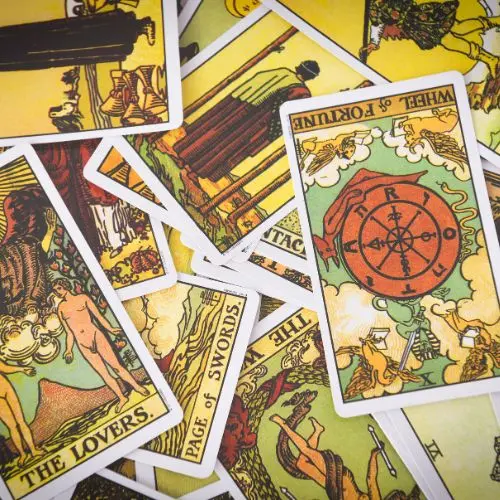 Weekly Tarot Card Reading for October 12, 2026 Offers Guidance on Growth and Connection
 The Libra New Moon on October 10, 2026, Marks a Relationship Audit
 Shardiya Navratri 2026: Auspicious Ashtami‑Navami Kanya Puja Timing and Gifts
 Astrological Forecast for October 9, 2026
While not universally accepted in scientific circles, the phenomenon has gained traction in wellness and spiritual communities seeking meaning amid global uncertainty. How Are People Responding to This Celestial Shift? Many report increased meditation, journaling, and withdrawal from social media as coping mechanisms. Some describe vivid dreams or heightened sensitivity to emotional undercurrents in relationships. Others express frustration at feeling stuck, unable to move forward despite inner motivation. Counselors note a rise in clients discussing planetary influences during therapy sessions, though they emphasize personal agency over deterministic beliefs. The trend reflects a broader search for frameworks to understand emotional turbulence in volatile times. Can Planetary Alignments Truly Influence Human Behavior? While astronomy confirms the positions of Saturn and Neptune, astrology’s interpretive layer remains outside empirical validation. Psychologists suggest perceived effects may stem from confirmation bias or cultural suggestion rather than gravitational forces.
Nevertheless, the symbolic resonance of such events provides narrative tools
Nevertheless, the symbolic resonance of such events provides narrative tools for processing change. Whether viewed as cosmic signal or psychological mirror, the conjunction has undeniably prompted dialogue about inner states and external pressures. Its legacy may lie not in proving causation, but in highlighting humanity’s enduring need to find patterns in chaos. Frequently Asked Questions What does Saturn conjunct Neptune in Pisces mean astrologically? It is interpreted as a period where reality feels blurred, ideals clash with limitations, and spiritual growth requires confronting hard truths about control and surrender. Is there scientific proof that planetary alignments affect emotions? No credible scientific evidence supports direct causal links; observed correlations are generally attributed to psychological or sociological factors. How long will this astrological influence last? The exact conjunction was brief, but its symbolic aftereffects are said to linger in collective consciousness for several months, depending on individual sensitivity.