A conjunction between the Sun and Mars in a day chart may suggest high energy
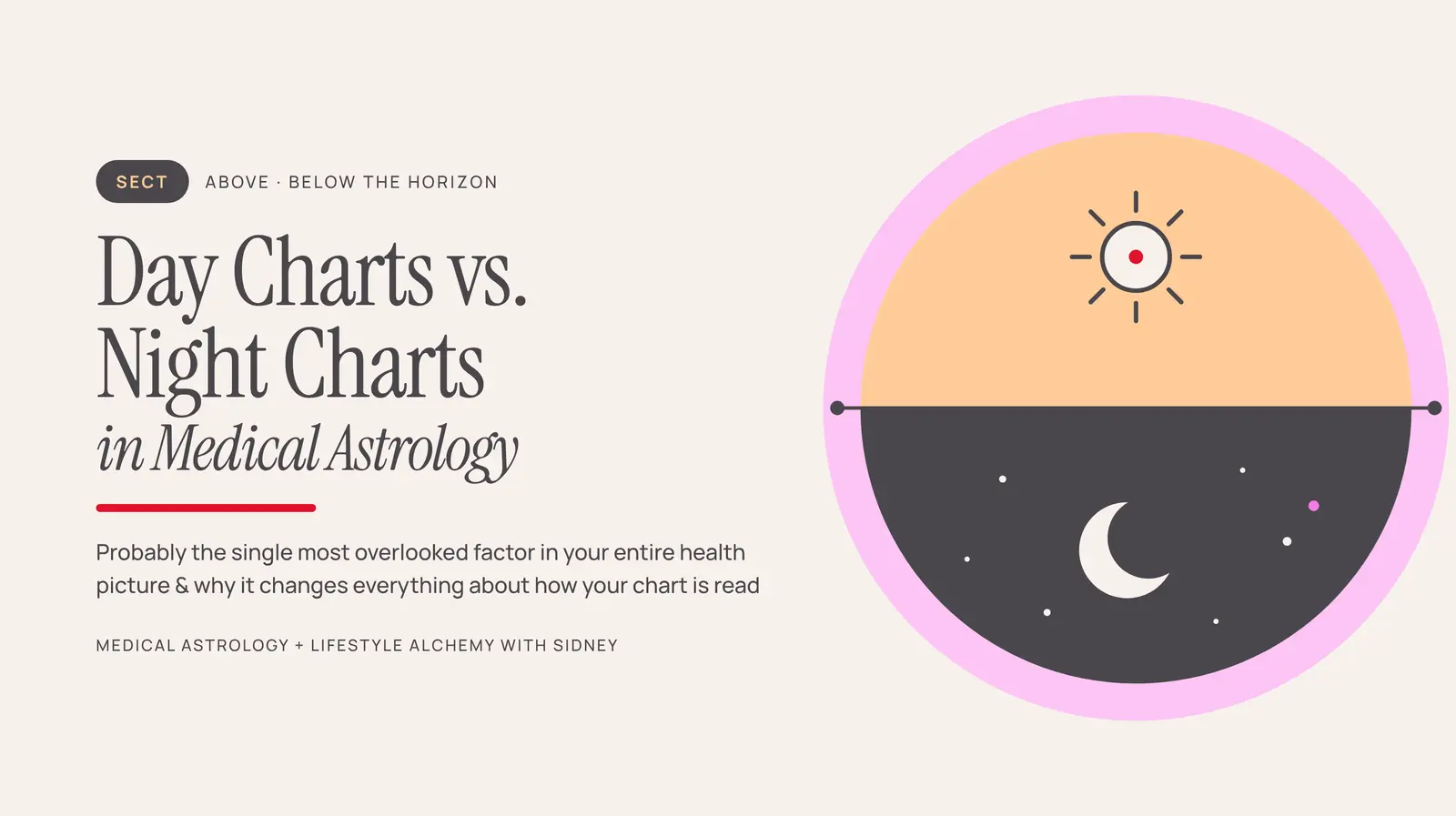
A growing number of astrology enthusiasts discover that whether a birth chart is cast during daylight or darkness can shift the influence of key planets, reshaping health predictions. Astrologers have long focused on elements such as the rising sign, dominant planets, and chart ruler. Yet the distinction between a day chart—where the Sun rises—and a night chart—where the Sun sets—remains largely unknown outside specialist circles. This subtle difference changes which planetary energies are most active, thereby altering the interpretation of a chart’s health implications. The Sun’s Position: A Simple Yet Powerful Indicator The Sun’s placement at birth determines whether a chart is day or night. In a day chart, the Sun is in the first half of the zodiac, while in a night chart it occupies the second half.
Star picks
 Nicholas Ferguson Captures A Life-Changing Moment On His Alaska Cruise
 Kartik Purnima 2026: Three Auspicious Yogas Align
 Chaturmas Ends in November 2026; Marriage Muhurat Guide for the Month
 Why Tarot Readers Protect Their Decks
This simple fact influences the strength of the Sun, the Moon, and the chart ruler.
For example, a day chart often amplifies the Sun’s vitality, whereas a night chart can enhance lunar sensitivity. Because the Sun governs overall energy and the Moon governs emotional and physical well‑being, their relative positions can shift the focus of health concerns. A person with a day chart may exhibit more outward, active symptoms, while a night chart bearer might experience internal, mood‑related issues. How It Alters Health Forecasts Astrologers use planetary aspects to predict health trends. When the Sun is in the first half of the zodiac, it is considered stronger, making its aspects to other planets more significant. In a night chart, the Sun’s influence wanes, and the Moon or other planets can dominate. This shift can change the interpretation of a key aspect.
A conjunction between the Sun and Mars in a day chart may suggest high energy and a risk of injury, whereas the same conjunction in a night chart might highlight emotional stress and a tendency toward burnout. Practitioners now advise clients to identify their chart type before delving into detailed readings. Knowing whether the chart is day or night helps to prioritize which planetary energies to monitor for potential health issues. Is Your Chart Day or Night? What Should You Do? To determine chart type, simply locate the Sun’s sign at birth. If it falls in the first half of the zodiac, the chart is day; if it falls in the second half, it is night. Once identified, consult an astrologer who can adjust the health analysis accordingly. Many people have reported that acknowledging this factor has clarified confusing or contradictory predictions.
Q2: Does the day/night distinction affect all areas of astrology or only health?
By aligning the reading with the correct chart type, they gain a clearer picture of their physical and emotional patterns. Frequently Asked Questions Q1: Can a day chart become a night chart if I move to a different time zone? A1: No. The chart is fixed at the moment of birth, so the Sun’s position at that time determines the day or night classification permanently.
Q2: Does the day/night distinction affect all areas of astrology or only health? A2: While it is most relevant to health interpretations, the distinction also influences personality traits, relationships, and career prospects, as planetary strengths shift.
Q3: How can I find a reputable astrologer who considers this factor? A3: Look for practitioners who mention chart type in their methodology, or ask directly about day versus night chart analysis during your initial consultation.