
Interpreting the Chart's Components
Natal astrology interprets the placements of the Sun, Moon, planets, and other chart points. The diagram is a circle divided into twelve houses. Zodiac signs and planetary positions add layers of meaning. Planets describe functions or tools. The Sun speaks to vitality, purpose, and identity growth. The Moon points to emotional needs and instinctive comfort. Mercury covers perception and communication. Venus and Mars illuminate attraction, values, desire, and action. Signs show the style of planetary function. Mars in Taurus differs from Mars in Aries. One moves with patience; the other with speed and initiative. No placement is inherently better. The task is to understand gifts, friction, and conscious choices. Houses place the chart into lived experience. They define life areas for planetary energy expression: identity, resources, learning, home, creativity, work, partnership, vocation, community, and inner life.
Star picks
 Cosmic Alignments Bring Realized Dreams for Five Star Signs
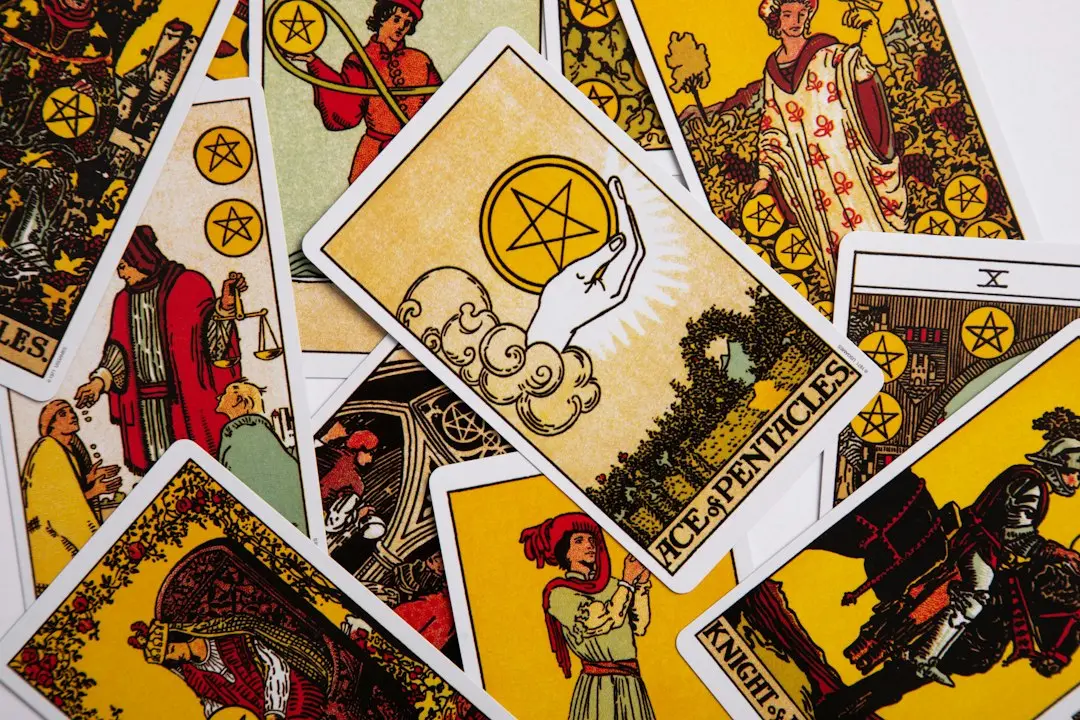 Weekly Tarot Forecast Brings Double Blessings For Late November
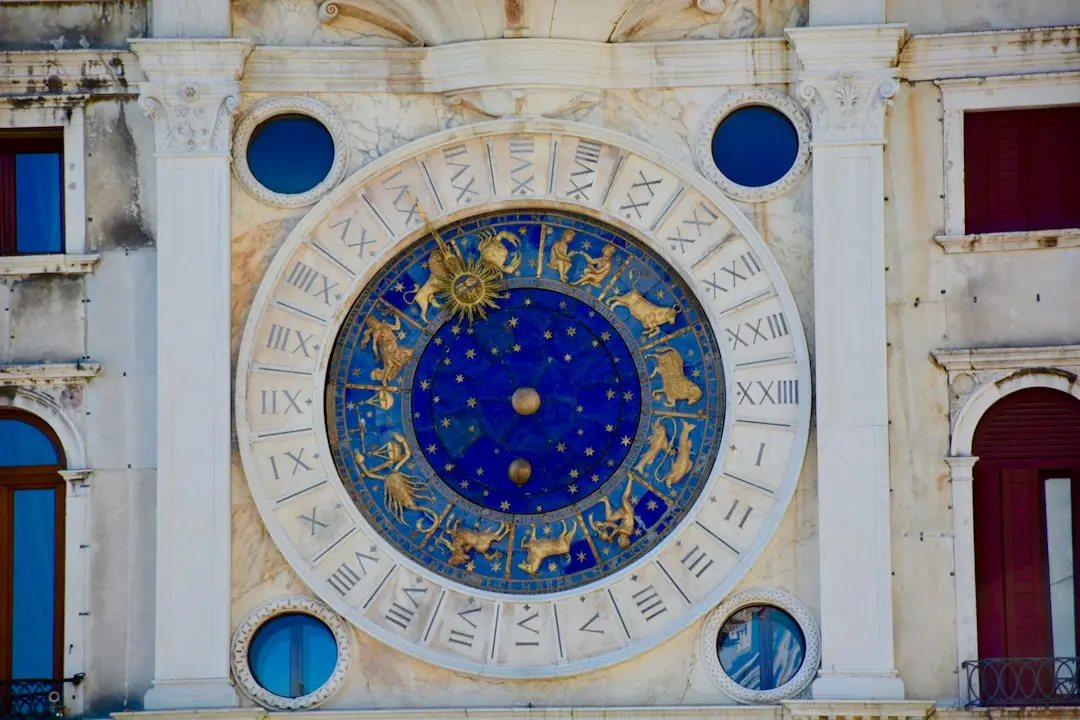 Five Zodiac Signs Find Relief as Sagittarius Season Begins
 Asteroid Ceres enters retrograde motion in Cancer on Saturday, November 21, 2026
A Layered Approach to Reading
A planet in a house does not guarantee an event; it focuses an arena of concern and development.
Beginners often try to interpret every symbol at once. This creates disconnected statements, not a coherent reading. Strong natal astrology builds in layers. Start with the chart's foundation: Ascendant, Sun, and Moon. The Ascendant and its ruler set the chart's orientation. The Sun and Moon reveal core conscious and instinctive needs. Together, they show how a person meets the world and supports self-worth. Next, examine personal planets—Mercury, Venus, and Mars—and their houses. This adds immediate texture to thinking, connecting, creating, working, and acting. Then, consider social and outer planets: Jupiter and Saturn discuss growth, opportunity, responsibility, and character formation. Uranus, Neptune, and Pluto address deeper generational themes. Their personal meaning clarifies when linked to angles, personal planets, or house rulers.
Aspects: A Conversation Between Placements
Aspects show geometric relationships between planets. They reveal how parts of the psyche cooperate, challenge, or need integration. A trine suggests natural ease. A square indicates friction, pressure, and developmental drive. An opposition often requires balancing two valid but competitive needs. Labeling aspects as simply good or bad is too simple. An easy aspect can become too familiar and underdeveloped. A challenging aspect can build resilience and self-knowledge over time. Consider the Moon-Saturn aspect. Simply, it might mean emotional restriction. Maturely, it can signify emotional responsibility, loyalty, depth, careful boundaries, and consistent presence for others. Lived expression depends on the entire chart.